
El Camino Portugues
Our favourite
Overview
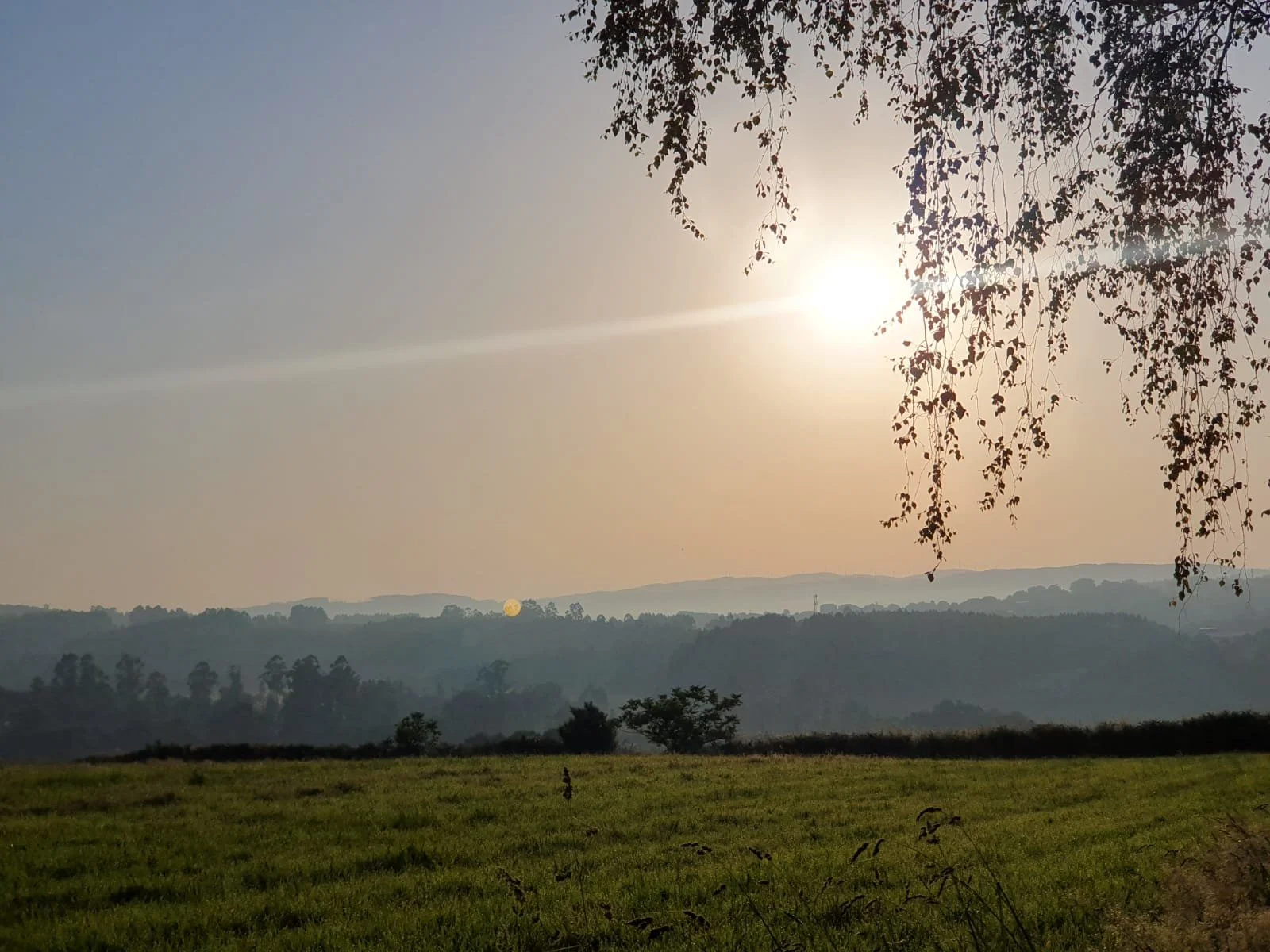
The Camino Portugués offers a gentler, sun-drenched alternative to the busier Camino Francés — a route that blends faith, culture, and the relaxed spirit of Portugal. Beginning in Lisbon, Porto, or along the Atlantic Coast, it weaves north through rolling countryside, cobbled villages, and seaside towns before crossing into Spain and finishing in Santiago de Compostela.
This is a Camino rich in variety: ocean views, eucalyptus forests, historic cities, and friendly coastal hospitality. You’ll cross Roman bridges, pass vineyards, and follow ancient roads once walked by pilgrims and traders alike. Whether you start in Lisbon, Porto, or the border town of Tui, every step offers a mix of reflection, discovery, and simple joy.
🗺️ Key Facts at a Glance
Total Distance: 610 km
Historic Starting Point: Lisbon
Ending Point: Santiago de Compostela (Spain)
Average Duration: 25-30 days (walking the full route)
Difficulty: Moderate (varied terrain but less mountainous than the Frances
Best Season to Walk: April - June, September - October
Why Choose the Camino Portugués?
If you’re looking for a Camino that combines the spirit of pilgrimage with the warmth and beauty of coastal Portugal, the Camino Portugués is a wonderful choice. It’s calmer than the Camino Francés, yet full of life — winding through seaside towns, vineyards, and historic cities with welcoming locals and delicious food along the way. Whether you start in Lisbon, Porto, or Tui, you’ll find a journey that feels both peaceful and rewarding.
It’s ideal for:
Pilgrims looking for a quieter, more relaxed Camino
Those drawn to coastal scenery, seafood, and sunshine
First-timers seeking a scenic and rewarding introduction to the Camino
History of the Camino Portugués
The Camino Portugués has been an important pilgrimage route for centuries, linking the faith and culture of Portugal with Santiago de Compostela. Its origins date back to the 12th century, when Portugal became an independent kingdom and devotion to St James the Apostle spread throughout the Iberian Peninsula.
Pilgrims began walking north from cities like Lisbon, Coimbra, and Porto, following Roman roads and trade routes that led to Galicia. The path soon became one of the main arteries of pilgrimage to Santiago, travelled by kings, nobles, monks, and everyday people seeking spiritual renewal. Along the way, churches, monasteries, and hospices were built to care for the growing flow of pilgrims — many of which still welcome walkers today.
During the medieval golden age of pilgrimage, the Camino Portugués thrived, strengthened by strong cultural and religious ties between Portugal and Galicia. Over time, however, wars, political changes, and new forms of travel caused the route to fall into decline.
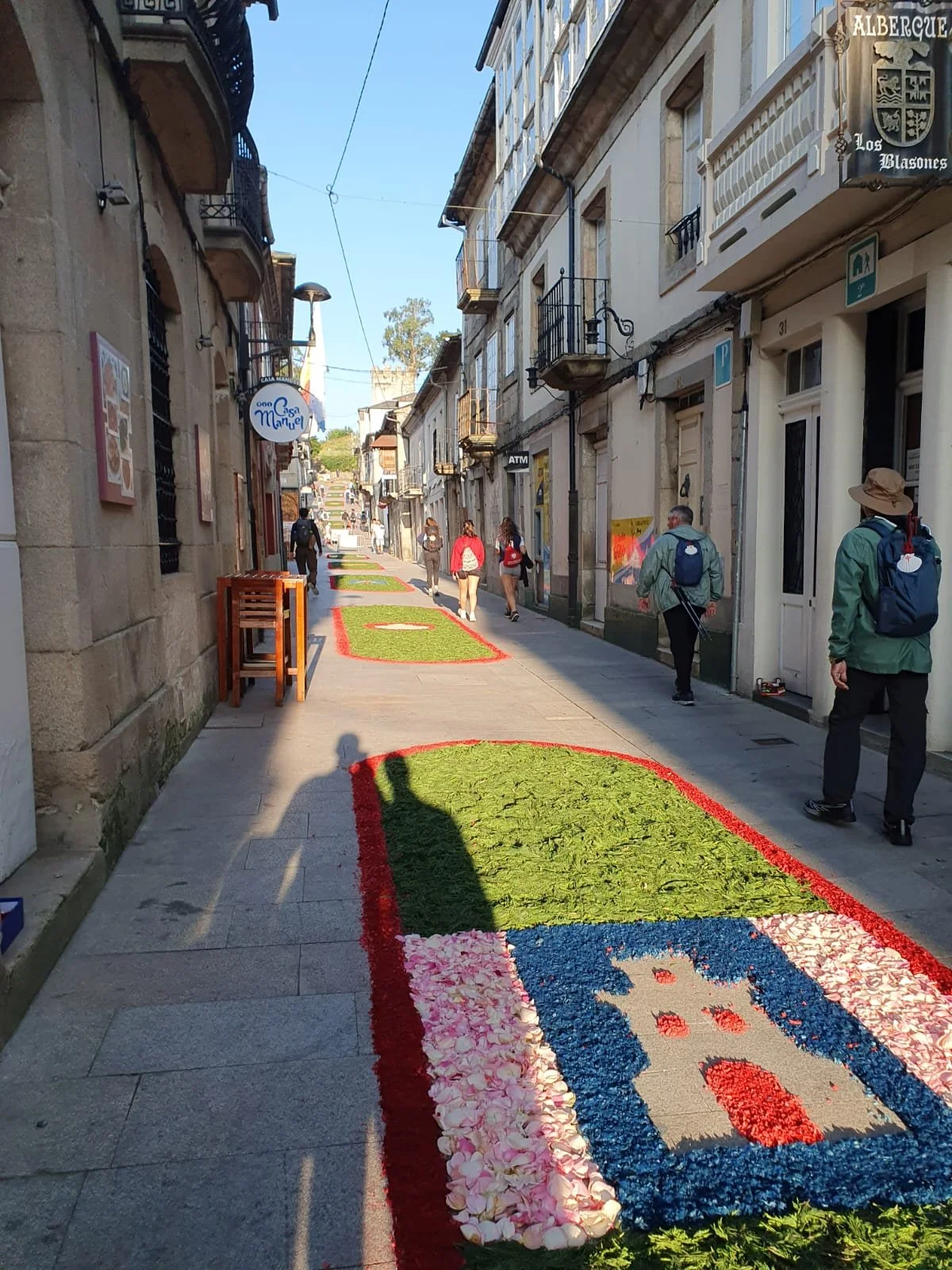
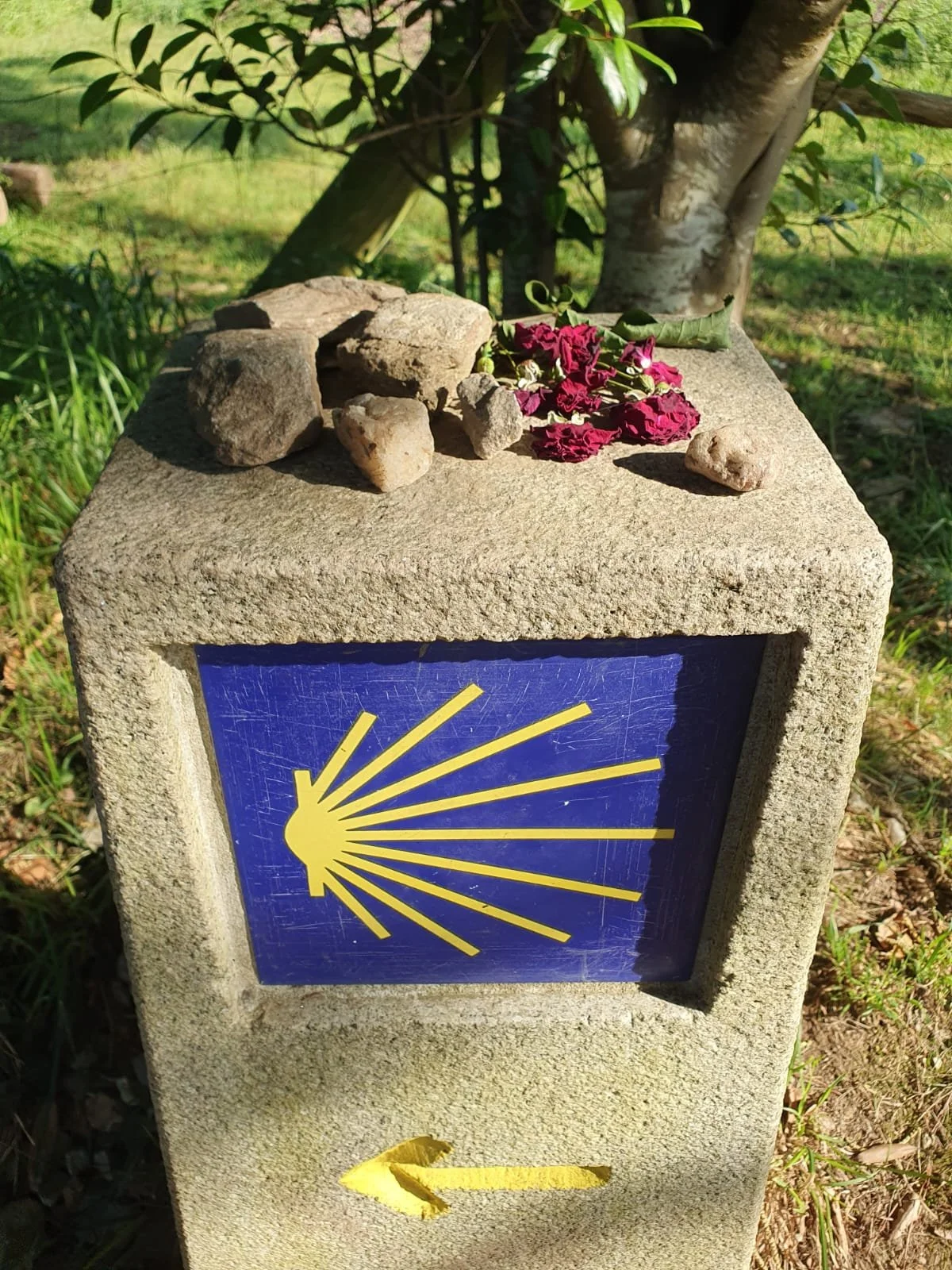
In recent decades, the Camino Portugués has experienced a remarkable revival. Local communities restored old waymarkers, rebuilt bridges, and reopened albergues. Today, it’s the second most popular Camino route, celebrated for its beauty, friendliness, and peaceful atmosphere. Walking it feels like stepping through layers of history — from medieval cobblestones to quiet coastal paths — all leading toward the same timeless destination: Santiago de Compostela..
Highlights Along the Way (depending on route)
Porto: Famous for its colourful riverside, baroque churches, and world-renowned port wine — a perfect place to begin your walk.
Ponte de Lima: Portugal’s oldest village, known for its Roman bridge, cobbled lanes, and traditional pilgrim atmosphere.
Valença & Tui: Twin border towns divided by the River Minho — walk from Portugal into Spain across a historic bridge.
Pontevedra: A welcoming Galician city with a beautiful old quarter, lively Plazas, and a strong Pilgrim heritage. A ‘mini-Santiago’.
Caldas de Reis: A charming spa town where Pilgrims rest weary feet in soothing natural hot springs that have flowed since Roman times.
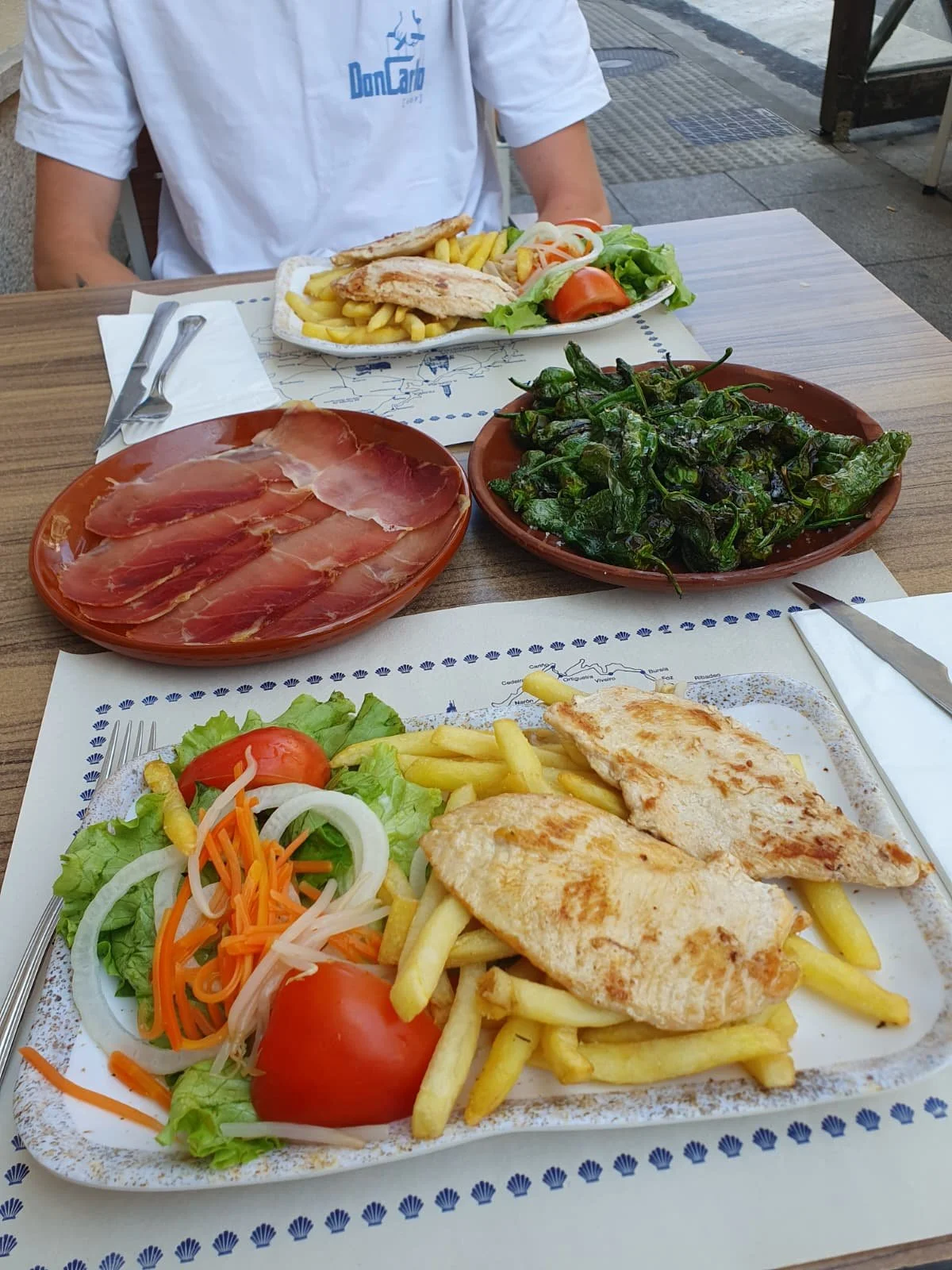
Padron: Said to be where the remains of St James first arrived in Spain - and the home of the Padron Pepper!
Santiago de Compostela: The unforgettable finale — join pilgrims from around the world at the Cathedral and celebrate your achievement.
Saint-Jean-Pied-de-Port
Pamplona
Elevation Profile
Burgos
Leon
Santiago de Compostela
Sarria

The Portugués in Shorter Stages
The Camino Portugués can be walked in full or in sections, depending on how much time you have. We recommend walking from either Porto, Tui or Baiona, depending on the distance and route you prefer. Here’s a broad breakdown of the journey:
Coastal Route
Porto to Baiona (180 km / 6–8 days)
Walk along wooden boardwalks and sandy paths beside the Atlantic Ocean, passing through fishing villages, seaside promenades, and peaceful coastal towns like Vila do Conde, Viana do Castelo, and A Guarda. The route continues into Spain, finishing in the elegant seaside town of Baiona, known for its beaches and seafood.
Baiona to Santiago de Compostela (120 km / 5–6 days)
From Baiona, the route turns inland to Redondela, where it joins the Central Route. It then continues through Pontevedra, Caldas de Reis, and Padrón before reaching Santiago de Compostela.
Central Route
Porto to Tui (20 km / 6–7 days)
The inland path leads through quiet countryside, vineyards, and ancient towns like Barcelos and Ponte de Lima. You’ll cross the Labruja Mountains, one of the route’s most scenic sections, before reaching Tui, the first Spanish town across the River Minho.
Tui to Santiago de Compostela (115 km / 5–7 days)
This is the final section of the Camino Portugués and the minimum distance required to receive the Compostela certificate. The route passes through Redondela, Pontevedra, Caldas de Reis, and Padrón before finishing at the Cathedral of Santiago de Compostela.
The Final 100km: Tui to Santiago de Compostela
The last 100km of the Camino Portugués, from Tui to Santiago, is a very popular route — and for good reason. It’s the minimum distance required to earn the Compostela, the official pilgrim certificate issued in Santiago.
Why So Many Pilgrims Choose This Section
It offers a perfect introduction to the Camino for those with limited time.
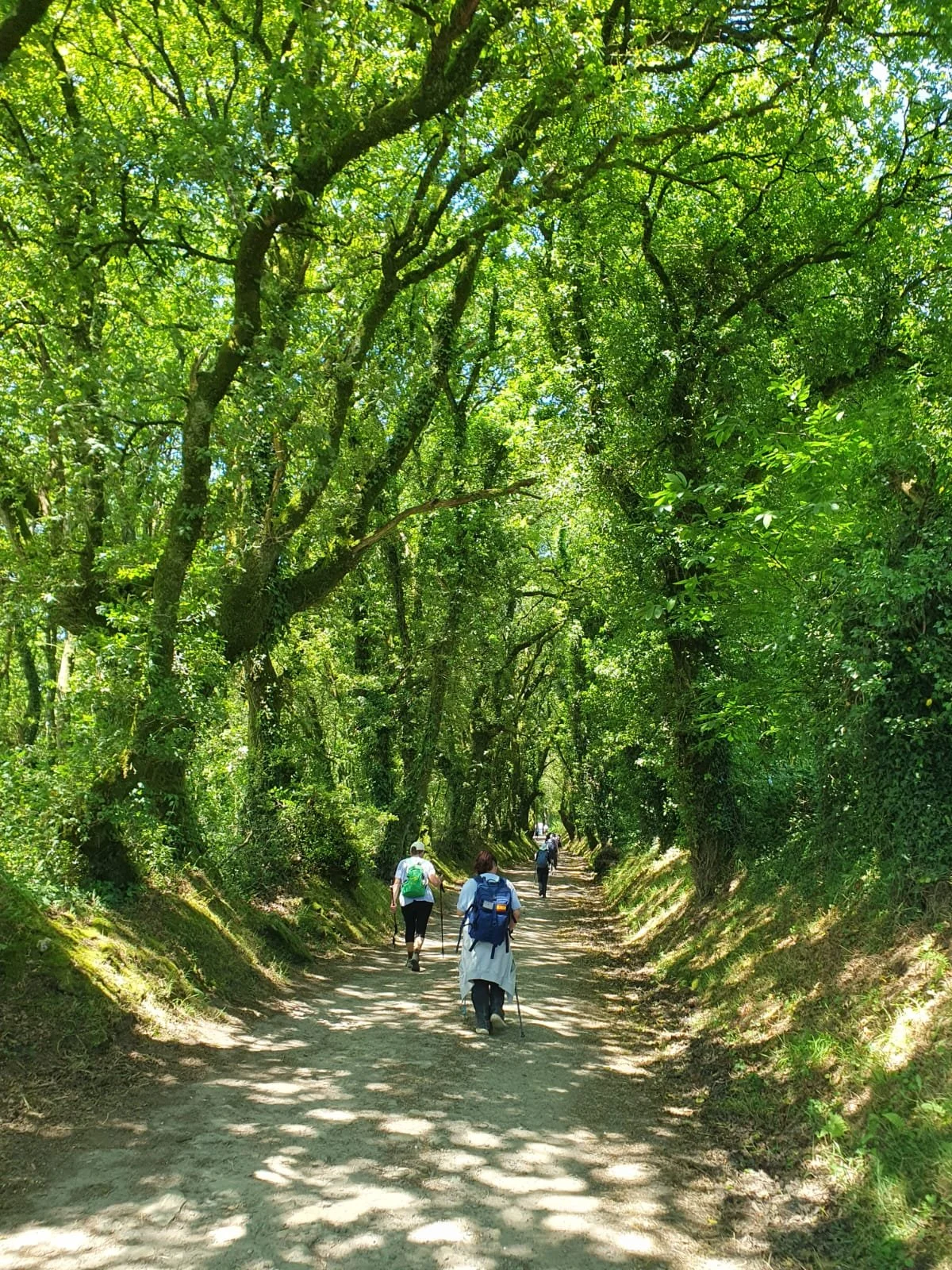
The route passes through lush Galician countryside, ancient stone villages, and tranquil forests.
It’s rich in history and tradition, yet accessible for all levels of fitness.
Excellent facilities — cozy accommodation, cafés, and well-marked paths — make it ideal for a first Camino.
FAQs
Q: How long does it take to walk the Camino Portugués?
A: The full Camino Francés is about 610 km from Lisbon to Santiago de Compostela. Most people take around 25 to 30 days to walk the entire route, averaging 20–25 km per day. Most people do not choose to walk from Lisbon, as the Lisbon to Porto section is seen as being uninspiring, quite industrial and not the ‘typical’ camino experience. Porto is a popular starting destination, with the Central Route at 240km walkable in 12-14 days, and the Coastal Route at 260km walkable in 12-15 days. If you only have a week, many choose to start in Tui or Baiona and walk the final ~100 km to Santiago, which takes about 5 to 7 days.
Q: When is the best time of year to walk the Camino?
A: A: The ideal months are April–June and September–October. These periods offer comfortable temperatures and fewer crowds. July and August are hotter and busier, especially in Portugal where the summers are drier.
Q: Which is better — the Coastal Route or the Central Route?
A: Both are well-marked and well-supported. The Central Route is the traditional inland path through towns and countryside. The Coastal Route offers more seaside walking and generally flatter terrain. Many pilgrims choose based on scenery preference.
Q: Is the Camino Portugués suitable for beginners?
A: Yes. It is considered one of the most accessible routes. Distances between towns are manageable, the terrain is moderate, and accommodation is widely available. The Tui–Santiago section is especially popular with first-time walkers.
Q: Where do pilgrims stay each night?
A: Accommodation, if you book a package with us, is with friendly, local hotels. We arrange hand-picked accommodation that balances comfort and authenticity — always with a warm welcome at the end of each day’s walk
Q: Can I have my luggage transferred?
A: Yes — luggage transfer is available along the entire Camino Francés. Your main bag is collected each morning and delivered to your next accommodation, so you only walk with a small daypack. This makes the journey much more comfortable and is included in our Camino packages.
Q: Do I need to speak Spanish?
A: Not necessarily. Knowing a few simple phrases helps, but most accommodation hosts, restaurants, and transport providers are used to pilgrims and speak at least some English. The Camino is well-signed, and gestures, smiles, and “Buen Camino!” go a long way.
Q: What should I pack?
A: Pack light. The essentials include comfortable walking shoes, layered clothing, a rain jacket, and a good backpack. We send all our clients a detailed packing list before departure, so you’ll know exactly what to bring and what to leave behind.
Q: Do I get a certificate at the end?
A: Yes! If you walk at least 100 km on foot (or cycle 200 km) and collect two stamps per day in your pilgrim passport, you can receive the Compostela certificate in Santiago. It’s a beautiful keepsake that marks your achievement and journey.
Q: Can you help plan part of the Camino, not the whole thing?
A: Absolutely. Many pilgrims walk the Camino in stages — for example, Burgos to León or just the final 100 km. We can plan any section for you, including accommodation, luggage transfers, and detailed route notes, all tailored to your timeframe and walking style.
Accommodation & Support
On both the full Camino Francés and the final 100km, you’ll find a range of accommodation — from traditional albergues to comfortable hotels and private rooms.
At Camigo Travel, we take care of all the details:
Hand-picked accommodation
Daily luggage transfers
Route notes and pilgrim passport
24/7 customer support
So you can focus on walking, connecting, and enjoying every step of your Camino.
Start Your Camino Francés Adventure
Whether you dream of walking the entire route or just the final 100km, the Camino Portugués is a journey that stays with you for life.
Let us plan your perfect Camino — tailored to your pace, comfort, and purpose.
👉 Start your Camino today and experience the magic of the world’s most famous pilgrimage route.